



JOHN CARTER CASH INSPIRES LOCAL SONGWRITERS AND MUSICIANS
By Piero Pretto
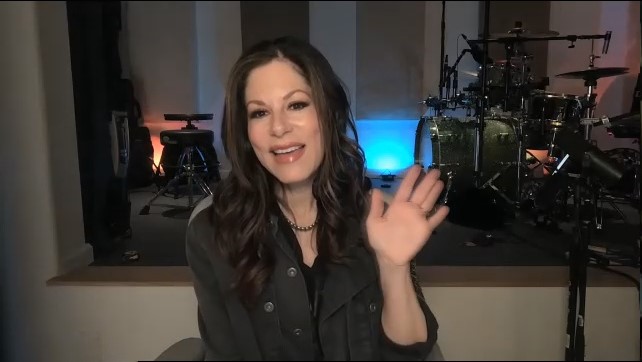
John Carter Cash, Grammy award winning producer and only child of Johnny Cash and June Carter, was the latest guest to take part in a very personal and inspiring workshop hosted by singer and songwriter Kasey Lansdale last Saturday afternoon.
His message to those in attendance: “Find out where your joy lies.”
“What I beg of ya’ll is to be open-minded. To find out where that path is.” he said.
He started off the workshop by sharing some of his early struggles in life. “Although I was 30, I was still an apprentice in the family business,” he said. “I was trying to figure out exactly who I was, where I was headed.” He noted that it was hard to find himself when he lived in the shadow of his very successful parents for so long.
His struggle to find himself ended when he landed in the studio with his father for the first time.
“When I began to work in the realm of the recording studio, a light came on. This is what I love. This is where I love to work. This is what I love to do.”
Read the full article at THE PINE LOG
Photo source: New Jersey Stage
A MESSAGE TO ALL FANS OF ANGELICA
By Dean Olson
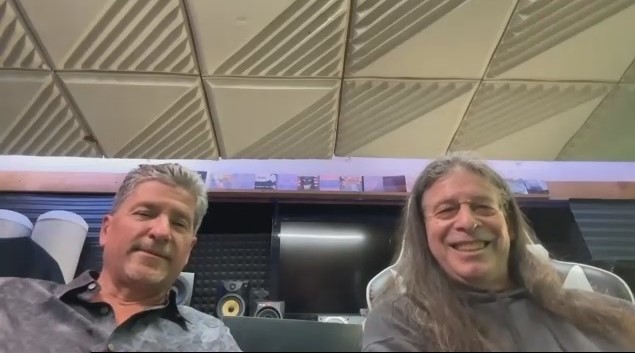
My name is Dean Olson, and I was the interviewer that you saw in the video featuring Angelica.
I am very happy that you came by to view the full interview. I had a page ready for viewing, but I experienced some major problems with it. However, YOU CAN STILL VIEW IT on YouTube. I would love to hear your feedback, either in the comments box or at the email address DeanO@eclecticsongwriter.com
I will provide three links (parts 1 – 3) below.
Angelica was delightful in person, and I look forward to sharing more of her stories with you.
PART ONE -
Eclectic TV – Angelica Interview at Barnes & Noble, Marina Del Rey, CA (Part 1)
PART TWO – Click here
PART THREE – Click here
Take care!
DEAN
10 IMPORTANT SONG ELEMENTS
By Dean Olson
The creative process of songwriting can be a very magical and mysterious flight of fancy. But, during that flight, as you enjoy that euphoria of soaring through the stars, it is generally a good idea to check your bearings. Your right and left brain should be working together to complete each journey, or song, if you will. Some days, you just want to fly and be free, and I think that’s the right way to go about it. Go wherever you wish. Just make you are fueled up, the flight plan is in order, and your plane is in peak condition. And watch out for that mountain!
Analogies aside, let’s assume that you’ve come up with a song that you are really excited about. You have nobody around that can collaborate, so you get to work on your favorite instrument and go the distance by yourself. You’ve written it down, or put it on your recorder, so it has now been given life. It has all of the elements and is ready to be recorded. One of the best feelings around is to create something out of pure inspiration. But, now here’s another analogy posed as a question: Do you now raise your baby or give it up for adoption? That metaphor has some holes in it, so I won’t go too far with that one, but it sounded good.
Before you even set foot in the studio, whether it’s a professional setup or your home computer, you ought to put your thinking cap on. Modern music recording technologies have made it possible, through audio software, for new wonders and great expectations to be met. Digital audio workstations from Sony Creative Software or Pro Tools can add all the bells and whistles and tweaks to your projects, and they are fantastic companions to songwriters. However, there is still a vital need for old fashioned tactics to make sure that your songs are worth the extra track. If you follow this checklist of ten song elements, you can be confident that you have the proper arrangement, aligned and ready, before you even push the record button.
1. Balance – Is your instrumentation balanced? Your song should have an even amount of ranges, from low to high. If you have too much of one and not enough of another, your recording might not sound so great.
2. Harmonies – You want to make sure that there is some good support going into the melody of your song. Without the right harmonies, or alternative sounds to the melody, it will sound like your song is missing a piece of the puzzle.
3. Musical arrangement – This is based completely around the ability to organize the instrumentation in the song. Not only should it be balanced, but it should also include contrasts and similarities in how the music follows what you are trying to say. If you are stuck with creating instrumentation that fits, get into some basic theory concepts to assist you.
4. Spacing – More important than all of the melodies and harmonies, is the room that you put in between each. This means that you don’t want to rush through your song and you don’t want to take too much time. Make sure that you give some breaks with melodies and change up the harmonies enough to keep it interesting and moving correctly.
5. Tempo – Often times, it is assumed that there is a specific tempo and that is it. However, you want to make sure that your tempos are defined and everyone follows them without missing a beat. Once you get into the studio, you don’t want anything to be off by a second, as it will cause the recording to become difficult to lay down.
6. Form – The easiest way for a listener to relate to your song from the beginning is to have the right form. If you are focused on lyrics, this will be the hook that is used during the chorus. If you are experimenting with form, make sure there is always a place in the music that goes back and keeps the attention of the listener so that they can relate to the music.
7. Variety – One of the overlooked parts of arranging is the variety that is in the song. This means that, even though you are repeating choruses or verses, make sure that you have some different movement or instrumentation in your recording.
8. Movement – The movement of the song goes beyond the tempo and into the extra small things that you do with a recording. This is what will make or break a song. Things such as louds and softs, ornamentation and other small add ons will help to move the song in the right way.
9. Consistency – Along with the variety of the song should be a certain consistency that lets the song fit together. This partly is related to the form of the song and also links to things such as tying the song together with the right lyrics and musical concepts. Within each of these areas, you can have some variation, but make sure that the frame work allows the listener to follow what you are doing.
10. Creativity – Of course, this should never be left behind. All too often are musical ideas that are heard that are close to what was heard before. The first rule to a good song is always to let yourself go, follow your creativity and to let the rest fall into place.
With these simple tricks are ways that you can improve your song and get it recording ready. From this, you will be able to make sure that your songs and pieces are polished, stand out from the crowd and get your voice heard among other musicians.
Until next time, be a StrongWriter!
DEAN
WELCOME TO STRONGWRITER!
THANK YOU for visiting StrongWriter.com!
This website is currently undergoing a relaunch with brand new things just for you. It is under construction until the Summer of 2012, but bookmark me now, because new content will be added in before the “grand opening.” If you haven’t already, check out some of the interviews on YouTube. Just Google or type in “ECLECTIC TV”
Please visit the sites ECLECTIC SONGWRITER and the blog ECLECTIC NOTES.
Also, I would welcome any comments on FACEBOOK. (Like me!) If you are a songwriter, I really would like your suggestions for your needs. I will definitely work to help you out! My goal is to inspire future songwriters to be better every day! One verse at a time…
Thanks, and see you soon!
Dean
Managing Editor